How do casement window options compare in terms of maintenance and longevity with flush casement windows?
How do casement window options compare in terms of maintenance and longevity with flush casement windows?
When choosing the right windows for your home, the amount of choice out there can feel a little overwhelming—and even more so when the differences are subtle. However, taking the time to explore your options can help you make an investment that not only improves your home’s appearance but also boosts comfort, value, and efficiency.
Two of the most commonly considered casement window options are standard casement windows and flush casement windows. While they may share some features, they’re designed quite differently and can give your home distinct benefits depending on your preferences and priorities.
Overview of casement windows
Casement windows are a classic, widely-used style, known for their side-hinged design that swings open outward like a door. This design is simple but effective, and it’s one of the most popular window styles in many Suffolk and Essex homes due to its practicality and wide range of configurations.
Thanks to their simple opening mechanism—often operated with a crank or standard handle—casement windows are especially useful in hard-to-reach places, such as above kitchen sinks and worktops. Their ability to open fully also means they’re fantastic for catching breezes, offering reliable ventilation solutions when you need them.
Plenty of our customers love casement windows for the uninterrupted views they offer. By avoiding frames that slice through the centre of the glass, you can enjoy a clearer outlook onto your garden or the local countryside. This uncluttered view, coupled with their ease of use, continues to make them a favourite among homeowners undertaking property transformation projects.
Introduction to flush casement windows
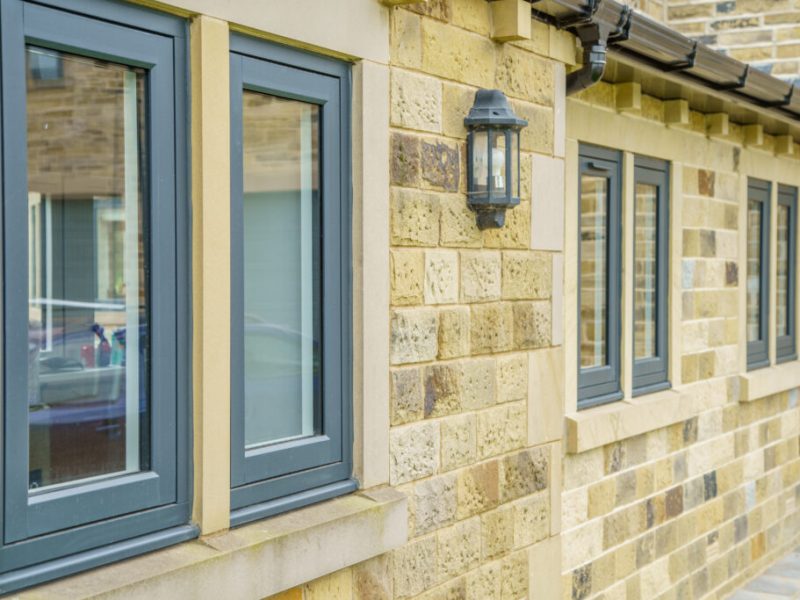
Flush casement windows take the casement principle but with a modern design twist. The key difference lies in how the sash sits within the frame. With flush casement windows, the opening sash sits level—or flush—with the outer frame when closed. The result is a smooth, sleek appearance that lends a contemporary edge to any home exterior.
This design lends itself beautifully to minimalistic or modern architecture. But equally, flush casement window options work well on traditional homes too—especially period properties where maintaining consistent sightlines is a priority. For this reason, these windows are sometimes approved in Conservation Areas where preserving traditional aesthetics is essential.
From a fitting service point of view, the installation may be slightly more involved due to the precise nature of how flush casements fit into the overall frame. However, with help from a friendly team like ours, this extra step is effortlessly managed and ensures a beautiful finish you’ll be proud of for decades.
Key differences between casement and flush casement windows
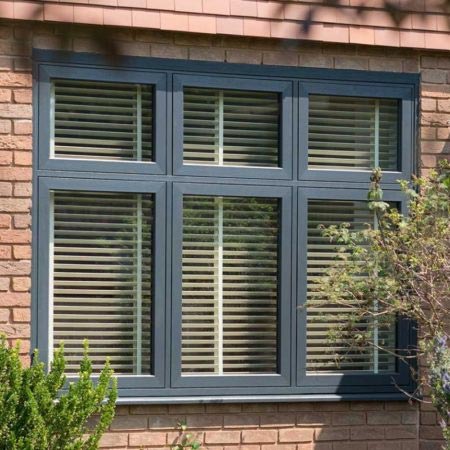
Visually, the key difference people notice is how the sash sits against the frame. Standard casement windows sit on top or slightly proud of the frame when closed, giving a more traditional “stepped” appearance. Flush casements, sitting in line with the frame, offer a tidier and more modern profile. This makes flush casements a popular choice in modern design trends, especially among customers looking to enhance the aesthetic appeal of their property.
Energy efficiency is another area where flush casement windows can often have the edge. Thanks to tighter seals and modern engineering, they’re exceptionally good at reducing heat loss. In fact, according to the Energy Saving Trust, upgrading single-glazed windows to modern, energy-efficient models can save a typical detached home up to £195 a year on heating bills. This speaks to the improved thermal performance that both window types can offer, especially when installed by trusted, local window professionals like Blue Light Windows.
When it comes to maintenance and longevity, both styles are incredibly durable—especially when made from long-lasting materials like uPVC or aluminium. Flush casements may have a slight advantage in terms of maintenance because their streamlined design leaves fewer ledges for dirt and debris to collect. Regular wiping with a damp cloth is usually all that’s needed to keep them looking smart year-round.
Benefits of choosing casement window options
Choosing the right casement window options means balancing beauty, performance, and practicality. From a homeowner’s perspective, casement-style windows provide excellent security. All our window ranges—flush or not—are fitted with secure locking mechanisms and can be upgraded with restrictors or fire escape design features where needed for added peace of mind.
Another major perk is energy savings. Due to their airtight seal when closed, casement windows perform well when it comes to insulation properties. This contributes to keeping your home warm in winter and cool in summer, reducing your reliance on artificial climate control and lowering your energy bills.
Versatility is also a big draw. Casement window options come in a wide choice of colours, hardware finishes, glazing options, and frame styles—perfect for enhancing or blending in with your existing home design. Whether you’re focusing on sustainable building practices, or just giving your home a much-loved refresh, these windows offer a custom solution that reflects your individual style and values.
Installation and cost considerations
Both types of windows are installed using techniques that require expert knowledge, precise measurement, and careful handling to ensure a perfect fit. At Blue Light Windows, we pride ourselves on our professional window installation service—including respectful, tidy workmanship and timely delivery.
The cost of your new casement window options will depend on several factors, including frame materials, glazing type, hardware choices, and any customisations you opt for. While flush casement windows can be slightly more expensive due to their intricate design, they may offer greater long-term returns through improved efficiency and a boost to property value enhancement.
Just as important as the product itself is who installs it. Poor installation can undermine even the best windows. That’s why we always recommend going with an experienced local installer backed by insurance guarantees—like us. It’s the best way to ensure top performance, full compliance with building regulations, and customer satisfaction that lasts.
Conclusion
Choosing between standard casement and flush casement window options is about more than just appearance—it’s about finding the right fit for your lifestyle, your property, and your expectations for quality and performance. Both options have their advantages, and at Blue Light Windows, we’re always here to help you weigh them up with honest, friendly advice and no-pressure quotes.
With over 25 years’ experience serving happy homeowners across Suffolk, Essex, and the surrounding areas, we’re proud to offer products that deliver genuine peace of mind—from secure window options and enhanced insulation, to quality craftsmanship and professional care every step of the way.
So, what are you hoping to get out of your next home improvement? A little more light, a lot more warmth—or a stylish update that makes the neighbours stop and stare?
Whatever you’re planning, get in touch with our local, knowledgeable team online or visit us in person today. We’ll never leave you in the dark.